Physical Therapy Provider one on one, in person or remote, helping you to relief pain, improve function and get you back in action. Washington DC, DMV
Menu

The Straight Scoop PT Blog 

​Knowledge is power for self-advocacy

​Collaboration for better healthcare outcomes
​
Prioritizing the patient's voice


The Running Shoe Myth: Why Your Shoes Might Not Be the Problem

5/22/2020

1 Comment

 
Picture

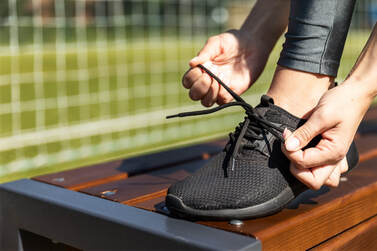
Clients often ask me about the "best" running shoes, especially if they're experiencing pain. It's tempting to think a new pair of shoes will magically improve your performance and banish those aches. But will they really?
Research suggests that fancy shoes might offer a slight physiological boost, but they won't change your running form or reduce strain on your body.
So, how do you pick the right shoes?
My advice is always the same:
  • Focus on comfort: The best shoe is the one that feels best on your feet. Personal preference is key! Try on lots of pairs and even have a short run (if the store allows) to see which ones feel the most natural.
  • Avoid overly soft soles: Shoes that are too soft may actually make your legs work harder, reducing the natural spring-like action of your leg tissues. This can put extra stress on those tissues.
  • Check for defects: Even good shoes can have defects. Look for poor stitching, odd shapes, or anything that might cause discomfort.
If the problem isn't your shoes, what is it?
Just because you can run doesn't always mean you should start running without preparation. Like any sport, running requires proper technique, strength, and gradual training progression. Here's what you should focus on:
  • Start with a smart running program: An individualized program can make a huge difference in load progression and injury prevention.
  • Strength training is key: Single-leg training will greatly decrease your risk of injury (and no, it won't bulk you up or slow you down!). Stronger tissues handle stress better and can improve your running form. Don't neglect foot strengthening either!
  • Boost your running power: Include plyometric exercises (like one and two-leg hops) to improve your power and ability to absorb force.
  • Increase your cadence: Shoot for a 5% increase in your steps per minute over time. This can reduce strain on your body.
  • Get a professional running assessment: If you're serious, this can uncover specific muscle weaknesses and areas for improvement in your running technique.
The Bottom Line
Following these tips sets you up for injury-free running success. With the right approach, you won't need to obsess over your shoes.
Johan Arango, Physical Therapist


1 Comment
Sliding Doors Missouri link
12/19/2022 06:53:39 pm

I enjoyed this post thanks for sharing

Reply


Leave a Reply.

    Author

    I've been a movement motivator (aka physical therapist) for about 15 years now, and let me tell you, this field ain't what it used to be! Since I first graduated, I've unlearned, relearned, and basically revamped my whole understanding of what it means to be a PT. Thankfully, all that change made me a better therapist and a better person. This blog is my way of celebrating all those hard-won lessons and helping others realize they have a powerful voice in their own healthcare journey. I believe staying open-minded and learning from my clients is what truly fuels my treatment approach. So, let's ditch the passive patient mindset and get active together!​  
    Johan Arango PT and movement Coach. 

    Archives

    May 2024
    July 2020
    May 2020

    Categories

    All

    RSS Feed

Proudly powered by Weebly
  • HOME
  • COST
  • Contact
  • Blog
  • Recommended Products
  • HOME
  • COST
  • Contact
  • Blog
  • Recommended Products